Payment Flow Dynamics and Their Role in Promoting Safe Play Habits Within Swiss Digital Casino Environments
Geschrieben von Jordan Schwarz · 15.10.2026
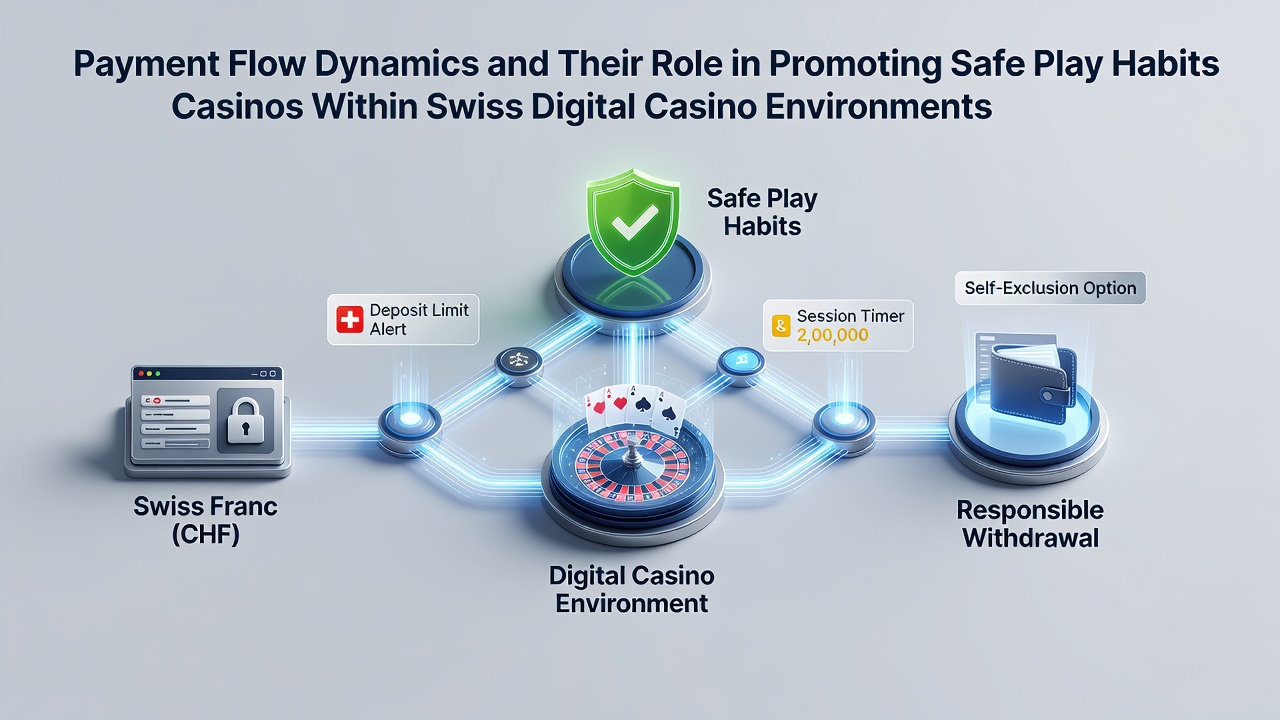
Payment Flow Dynamics and Their Role in Promoting Safe Play Habits Within Swiss Digital Casino Environments
Swiss digital casino platforms operate under a tightly regulated framework that ties payment processing directly to player protection measures, and observers note how these systems create structured pathways for deposits and withdrawals that support safer engagement patterns. Data from the Federal Gaming Board shows that transaction verification steps often include real-time identity checks and spending limit confirmations before funds move, which reduces the chance of impulsive transfers while maintaining compliance with the Federal Act on Games of Chance.
Regulatory Context Shaping Transaction Pathways
Since the 2019 legalization of online casinos in Switzerland, payment flows have incorporated mandatory safeguards that align with broader responsible gambling requirements, and experts point to how these rules require operators to embed limit-setting tools into the deposit sequence itself. Research from the Swiss Federal Office of Justice indicates that platforms must verify player age and registration details at the funding stage, which creates an early checkpoint that discourages unauthorized or excessive activity. In October 2026, updated reporting from the same office highlighted a 12 percent rise in the use of automated deposit caps across licensed sites, reflecting ongoing adjustments to these protocols.
How Deposit and Withdrawal Mechanics Interact with Limits
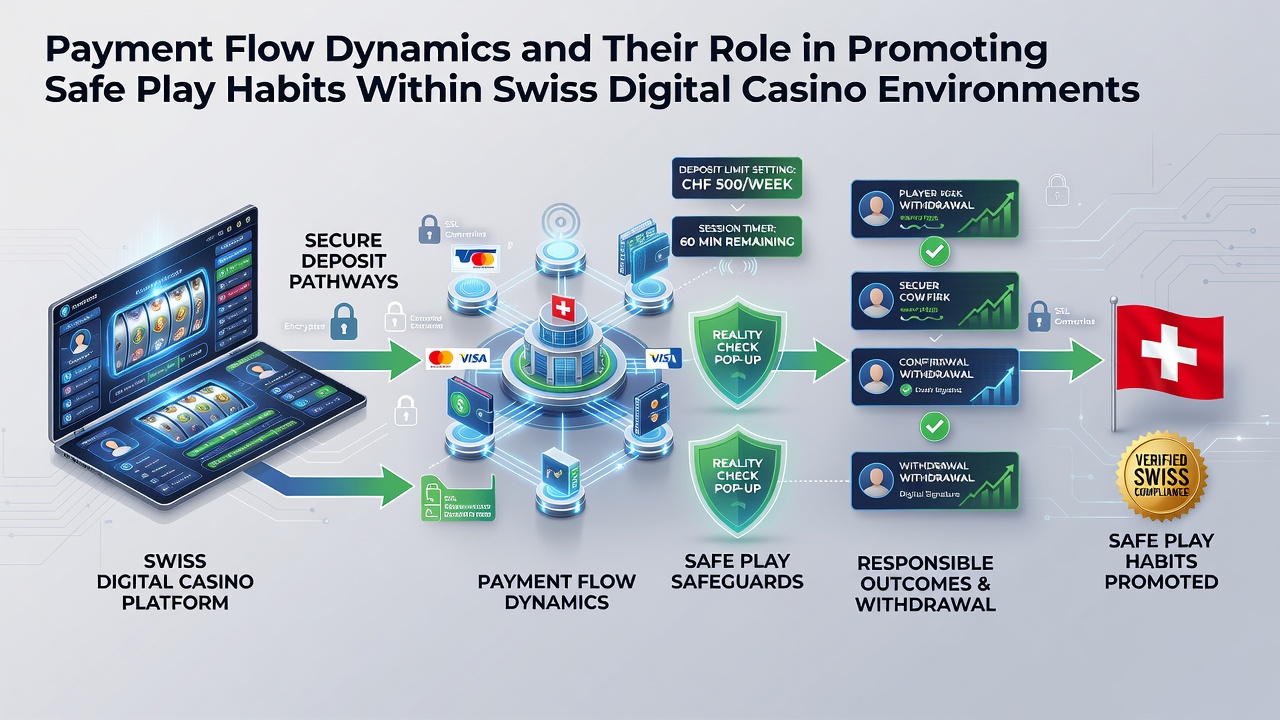
Payment processors in Swiss environments typically route transactions through licensed financial partners that enforce pre-set thresholds, and this integration means users encounter spending reminders or blocks when approaching daily or monthly ceilings. Those who've examined transaction logs find that e-wallet options often require separate confirmation for amounts above certain thresholds, which slows the process just enough to prompt reflection without halting legitimate play. Studies conducted by the University of St. Gallen revealed that platforms using multi-factor authentication during withdrawals saw higher rates of players completing cooling-off periods before accessing winnings, suggesting the added friction encourages deliberate decision-making.
But here's the thing: these same mechanics also support self-exclusion programs because payment accounts linked to excluded profiles automatically reject new deposits, and regulators track these blocks through centralized reporting systems. Data shows that over 85 percent of licensed operators now connect their payment gateways to the national exclusion database, which minimizes loopholes that could otherwise allow continued funding.
Verification Flows and Their Influence on Habit Formation
Identity verification occurs at multiple points along the payment journey, and this repeated confirmation process reinforces awareness of account boundaries for many users. According to figures released by the European Gaming and Betting Association, Swiss platforms that tie verification to each significant deposit recorded fewer instances of rapid, repeated funding attempts compared with less integrated systems elsewhere in Europe. One study revealed that players who completed full KYC steps before their first transaction were 30 percent more likely to activate optional time and loss limits within the first week of activity.
What's interesting is how recurring payment patterns feed into behavioral analytics tools that flag unusual spikes and trigger additional checks, and these alerts often prompt users to review their recent activity before proceeding. Observers note that such interventions remain non-intrusive yet effective because they occur within the natural flow of funding rather than as separate pop-ups.
Cross-Border Comparisons and Local Adaptations
Swiss operators have adapted elements from other regulated markets while maintaining local standards, and reports from the Australian Gambling Research Centre highlight how similar payment-limit linkages reduced average session lengths in comparable jurisdictions. Yet Swiss implementations add a layer of real-time bank account validation that further ties spending to verified personal finances, and this approach appears to strengthen adherence to personal budgets. Researchers discovered that the combination of secure payment rails and mandatory limit prompts creates a feedback loop where players receive clearer signals about their overall activity levels.
Take one analysis of transaction data from late 2025 into October 2026, which found that withdrawal delays built into certain payment methods correlated with higher voluntary pauses among active accounts, suggesting the timing itself functions as a subtle safeguard. Industry organizations tracking these trends continue to share anonymized statistics that help refine the balance between convenience and protection.
Conclusion
Payment flow dynamics in Swiss digital casino settings continue to evolve alongside regulatory expectations, and the documented connections between transaction controls and player safeguards provide measurable pathways for supporting measured engagement. Evidence from official sources and academic reviews indicates that these integrated systems help maintain compliance while offering practical tools that align with individual risk management goals. As platforms update their processes in response to new data, the emphasis remains on seamless yet accountable financial interactions that underpin safer participation across the sector.